
High-Mileage Driver Quote Guide (May Include Progressive)
If you drive a lot each year, your insurance quotes can change noticeably because higher mileage often increases time on the road and claim exposure. This guide shows how to compare high-mileage quote options fairly by using one consistent baseline: the same ZIP code, drivers, vehicle details, limits, and deductibles. That way, you can tell whether a lower price is real value or simply different coverage.
You’ll learn what details to prepare, how mileage bands and driving mix can influence quote results, and how to compare options without accidentally weakening protection. If you want your comparison to include Progressive, you can also review our Progressive quote comparison guide as a baseline workflow.
Steps to Compare High-Mileage Quotes (Baseline Method)
Before requesting quotes, gather accurate information about your driving patterns and vehicle use. Many providers ask about annual mileage, commute type, and typical driving mix (highway vs. city). Use realistic estimates—over- or under-stating mileage can create misleading comparisons and pricing surprises later.
Get Auto Insurance Quotes
Compare high-mileage quote estimates using the same limits and deductibles for fair results.
Explore Home Insurance Quotes
If you bundle auto and home where available, compare the total annual cost against standalone quotes.
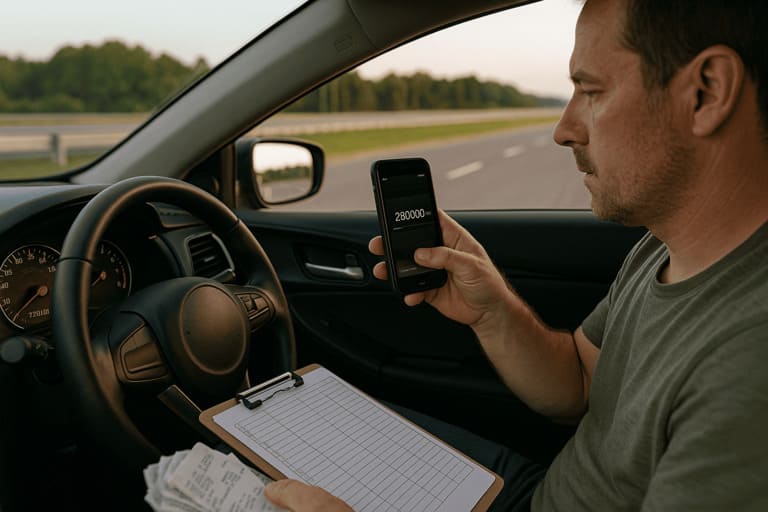
What to Prepare Before Requesting a Quote
Note your annual mileage band as accurately as possible (for example, 15,000–20,000 or 30,000+ miles). If you drive for work, include whether your trips are mostly highway miles, city stop-and-go, daytime, nighttime, or rural routes. These details can influence how risk is estimated for high-mileage drivers.
Also list your vehicle’s key safety features and keep maintenance up to date. While maintenance isn’t always a rating input, accurate vehicle and usage details (trim, safety tech, commute type) can affect quote accuracy and reduce “mismatch” issues when comparing multiple providers.
If you want broader context, you can compare additional tools and workflows such as an insurance comparison overview. When comparing, keep one baseline setup and change only one variable at a time.
Key Factors That Affect High-Mileage Quote Results
| Factor | What to Enter Consistently | Why It Matters |
|---|---|---|
| Annual Mileage | Realistic mileage band (don’t guess wildly) | Higher mileage can increase exposure and affect pricing |
| Driving Mix (Highway vs. City) | Your typical mix and commute type | Stop-and-go patterns can rate differently than steady routes |
| Usage-Based Options | Only compare if offered and enabled on all quotes | Impact varies by eligibility, state, and driving patterns |
| Bundle Totals | Auto + home total annual cost (if bundling) | Bundling can change totals, but compare against standalone first |
If your quote seems higher than expected, double-check for input mismatches: wrong mileage band, incorrect garaging ZIP, missing drivers, or different deductibles. Seasonal changes can also matter; if your driving fluctuates during the year, see coverage for seasonal driving patterns for planning tips.
Frequently Asked Questions
What should I do if my quote is higher than expected?
Re-check your baseline inputs (ZIP, mileage band, drivers, deductibles, limits). Small mismatches can cause large price differences. Then compare again using identical settings.
Can high-mileage drivers still qualify for discounts?
Discount availability varies by provider, state, and profile. Many drivers can still qualify for savings based on safe driving history, bundling where available, and eligibility-based programs.
How often should I compare insurance quotes?
At least once a year, and whenever your mileage, commute, household drivers, or vehicle changes. Consistent comparisons help you spot better value over time.
In summary: High-mileage comparisons work best when you keep one baseline and verify coverage details before choosing a policy. Match limits and deductibles first, then test mileage-related inputs one change at a time.